Definition of interior styling
Interior styles are the cohesive visual strategies used when decorating a space. These styles form a framework with specific features such as color schemes, materials, furniture, and decorative elements that transform a space into a harmonious whole.
Popular styles: Luxury Living, classic, industrial, and bohemian
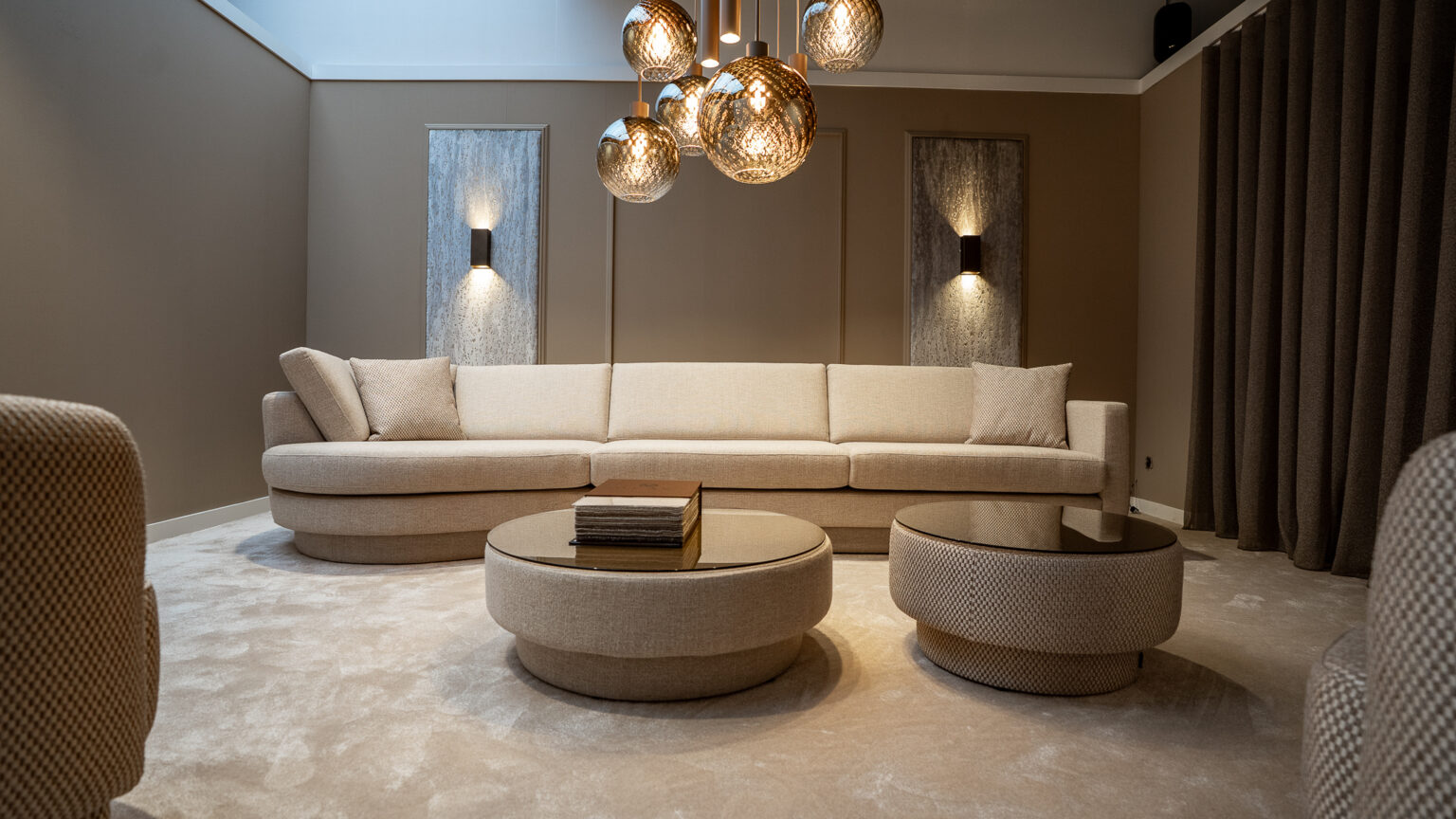
- Luxury Living: Minimalist and functional with clean lines, neutral colors, and innovative materials.
- Classic Style: Luxurious and timeless with rich colors, antique furniture, and decorative details such as cornices and ornaments.
- Industrial style: Raw and unfinished with a focus on metals, wood, and brick, often combined with open spaces.
- Rural Chic: the tranquility and elegance of the rural.
- Bohemian style: Eclectic and colorful, comfortable furniture, artistic accessories, and a hodgepodge of patterns and textures.

The power of color in your interior
Color psychology: how colors affect emotions
Colors have a profound effect on our emotions and can drastically change the mood of a room. Warm colors like red and yellow can radiate energy and warmth, while cool colors like blue and green promote calm and serenity.
Tips for choosing the right colors
- Neutral base: Start with neutral colors for large pieces of furniture and walls.
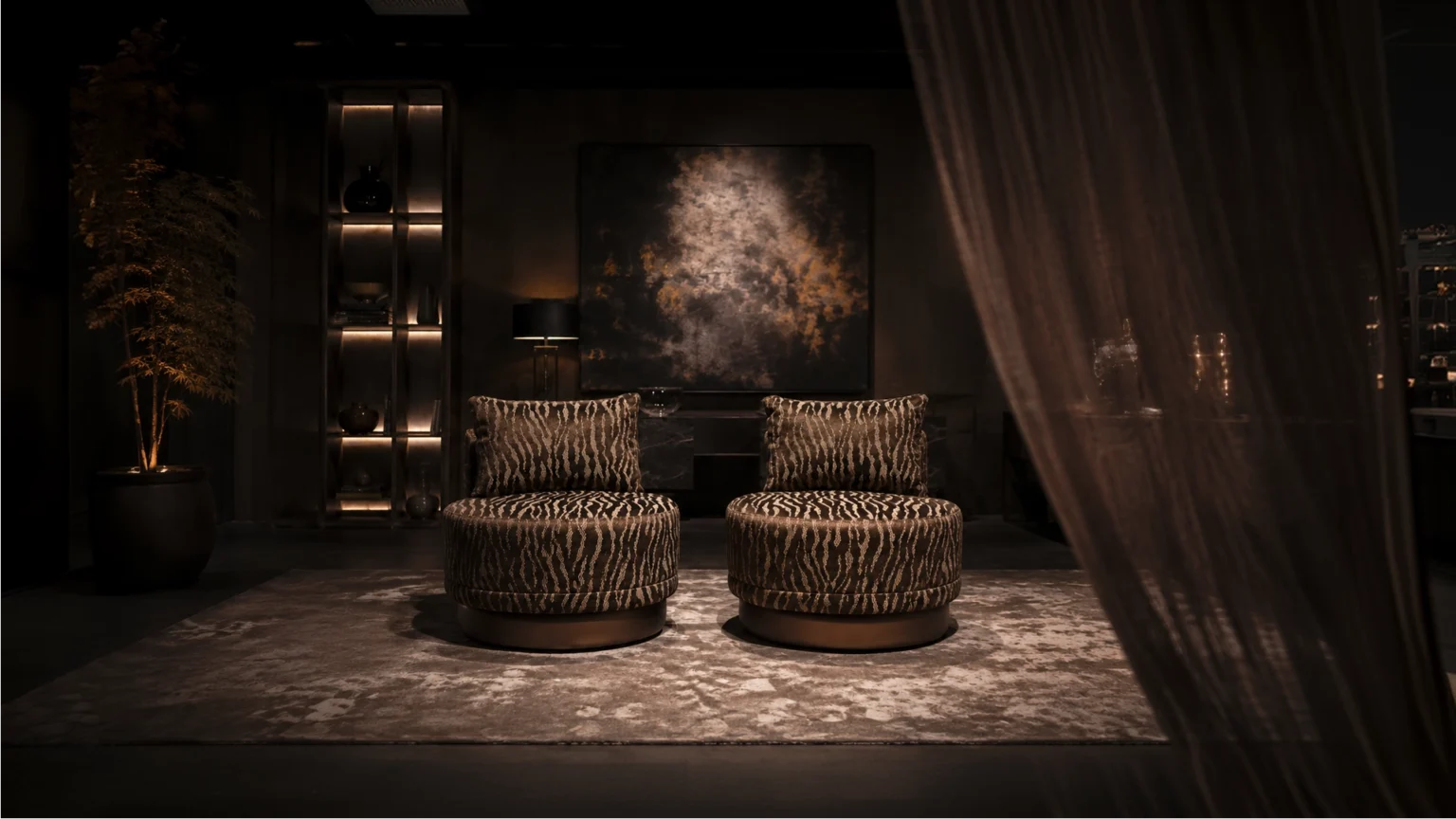
- Accent colors: Add dynamism with accent colors in accessories such as pillows, artwork, and rugs.
- Natural inspiration: Be inspired by colors from nature for a harmonious look.
Choosing materials and textures
The influence of different materials (wood, metal, fabric)
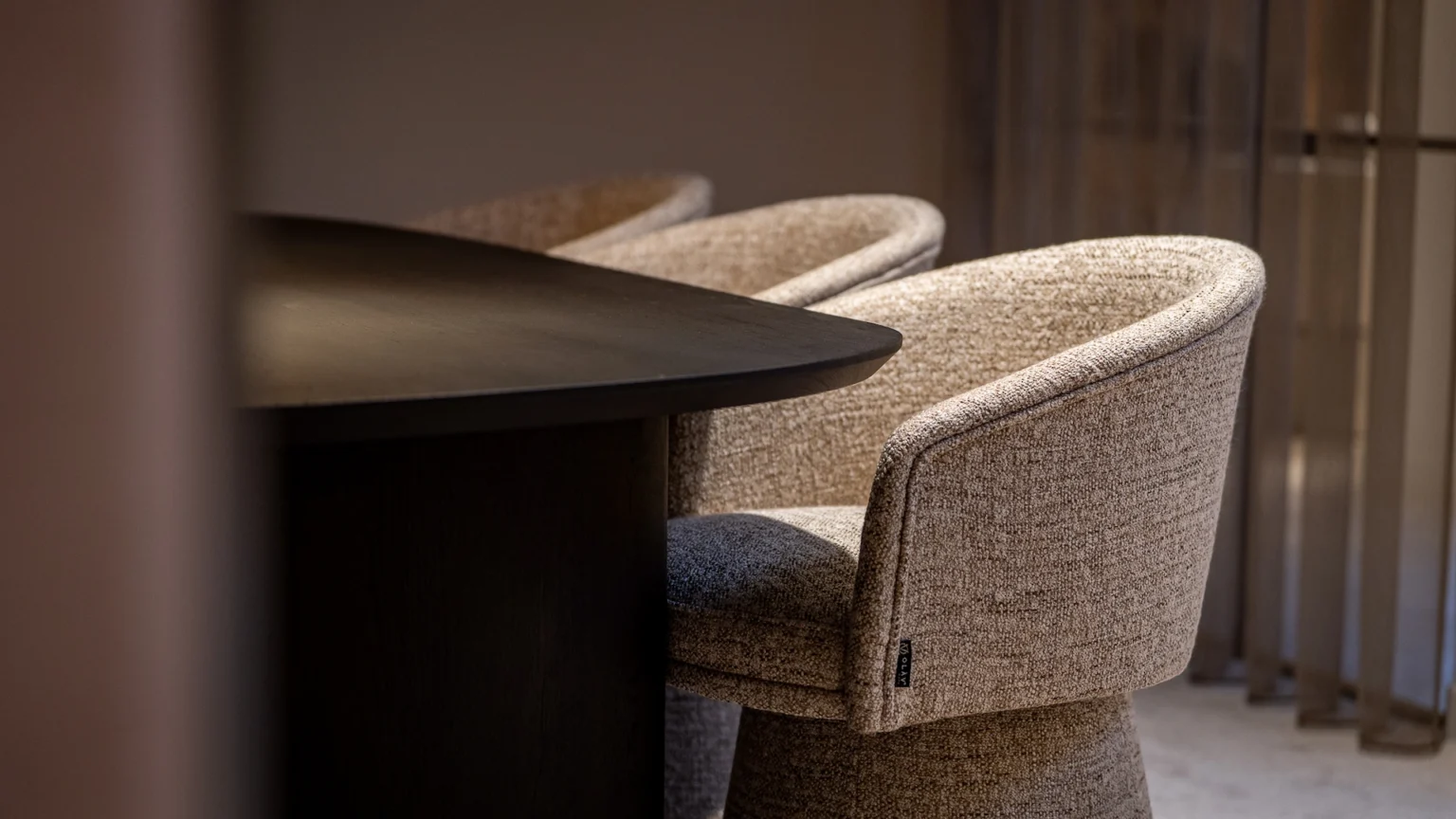
Different materials can add a completely unique atmosphere to a room. Wood can exude warmth and naturalness, metal can give a modern or industrial look, and fabrics can offer comfort and softness.

Tips for combining textures
Mix and match different textures for a dynamic and interesting space. Think soft cushions on a leather sofa, or a wooden table with metal chairs. By creating contrasts in textures, you give the space depth and character.
Furniture: functionality and stylistic aspect
Tips for choosing furniture that suits your style
Choose furniture that is not only visually appealing, but also functional and comfortable. Consider the specific requirements of your interior design style: modern styles call for sleek, minimalist furniture, while classic styles require antique, rich pieces.
How furniture can transform space
Furniture can completely transform a room, both visually and functionally. The choice of furniture influences the spatial dynamics, comfort, and style of the room. A clever layout and well-chosen furniture pieces can make the most of even limited spaces.
Lighting: a key element in interior styling
Types of lighting and their effect on space
Lighting can significantly change the atmosphere of a room. There are three main types of lighting:
- General lighting: Provides overall lighting throughout the room.
- Task lighting: Focused on specific activities such as reading or cooking.
- Accent lighting: Used to highlight works of art or architectural features.
Tips for using lighting strategically
Use a combination of the three types of lighting to create a balanced and attractive atmosphere. Use dimmers for flexible lighting control and position lamps strategically to avoid shadows and accentuate highlights.
The importance of layout and use of space
Tips for efficiently dividing a small space
Choose multipurpose furniture such as storage beds or pull-out tables. Use vertical space by attaching cabinets and shelves to the walls to free up floor space. Mirrored walls can help create the illusion of more space.
How to create an open layout without looking cluttered
Use rugs and furniture to define different zones within an open space. Provide adequate storage to avoid clutter and choose a cohesive color scheme to maintain a sense of unity.
Adding personal touches
How art and accessories can highlight your style
Art and accessories play a crucial role in highlighting your personal style. They add uniqueness and character to your interior. Choose items that appeal to you personally and fit the overall mood you want to create.
Examples of personal touches in different styles
- Modern style: Abstract artwork, geometric prints, and elegant vases.
- Classic Style: Antique mirrors, classic paintings, and ornate candlesticks.
- Industrial style: Vintage signs, functional decor pieces such as industrial clocks, and metal sculptures.
- Bohemian style: Handmade objects, colorful wall hangings, and exotic plants.
Conclusion
By applying interior styling tips, you can create a space that is both aesthetically pleasing and functional. Styling your interior is an opportunity to express your personal taste and create an environment that contributes to a peaceful and inspired living space. We hope these tips provide you with helpful guidance in your interior design projects.